What Your Liver Is Trying to Tell You: HIV, Hepatitis Coinfection, and the Biomarkers That Demand Your Attention
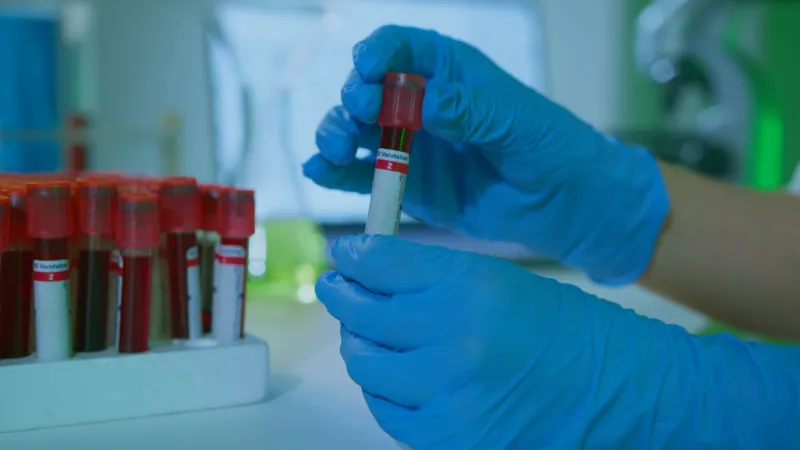
For many people living with HIV in the United States, conversations about organ health tend to center on the cardiovascular system, the kidneys, or bone density. These are legitimate concerns, and they deserve the clinical attention they receive. Yet the liver — a metabolically complex organ responsible for filtering toxins, synthesizing proteins, regulating clotting factors, and processing every medication that enters the bloodstream — often goes underappreciated until damage has already accumulated in ways that are difficult to reverse.
Liver disease is among the leading causes of non-AIDS-related mortality in people living with HIV. That statistic is sobering, but it is also an invitation: because liver injury tends to progress through identifiable, measurable stages, there are meaningful windows of opportunity to intervene. The key is knowing what to look for — and knowing how to talk about it with your care team.
Why HIV Places the Liver Under Unusual Pressure
HIV does not directly infect hepatocytes (the primary functional cells of the liver) in large numbers, but its effects on liver health are nonetheless substantial. Chronic immune activation — the persistent low-grade inflammation that characterizes even well-managed HIV infection — contributes to hepatic inflammation over time. HIV also disrupts the gut microbiome and increases intestinal permeability, allowing bacterial byproducts to enter systemic circulation and reach the liver through the portal vein. This process, sometimes called "microbial translocation," fuels a cycle of hepatic immune stimulation that can accelerate fibrosis even in the absence of other liver-specific insults.
Additionally, HIV can directly alter fat metabolism, increasing the risk of nonalcoholic fatty liver disease (NAFLD) — a condition that has become increasingly prevalent in the HIV-positive population as life expectancy has extended and metabolic complications have grown more common.
The Hepatitis Coinfection Equation
Perhaps the most clinically significant liver threat facing people with HIV is coinfection with hepatitis B virus (HBV) or hepatitis C virus (HCV). The overlap is not coincidental: HIV, HBV, and HCV share transmission routes, meaning individuals exposed to one virus face elevated statistical risk of exposure to the others.
Approximately 10 percent of people living with HIV in the United States are coinfected with HBV, and estimates for HCV coinfection range from 25 to 30 percent among all people with HIV — with considerably higher rates among those with a history of injection drug use. When HIV and either hepatitis virus are present simultaneously, liver disease tends to progress more rapidly than it would with either infection alone. HIV's suppression of CD4+ T-cell activity impairs the immune responses that would otherwise contain hepatitis-related liver damage, while hepatitis coinfection can, in some cases, complicate antiretroviral therapy by limiting which medications the liver can safely metabolize.
The critical message here is one of proactive screening. Current guidelines recommend that all people living with HIV be tested for both HBV and HCV at diagnosis and periodically thereafter based on ongoing risk factors. If you are unsure whether you have been screened recently, that is a question worth raising at your next appointment.
Antiretroviral Therapy and Hepatotoxicity: Balancing Benefit and Risk
Antiretroviral therapy (ART) has transformed HIV from a fatal diagnosis into a manageable chronic condition, and its benefits to overall health — including liver health — are substantial. Effective viral suppression reduces immune activation, which in turn reduces hepatic inflammation. For people coinfected with HBV, several antiretroviral agents — including tenofovir disoproxil fumarate and tenofovir alafenamide — carry dual activity against both HIV and HBV, making them cornerstones of treatment in coinfected individuals.
However, it would be incomplete to discuss ART without acknowledging that certain antiretroviral agents, particularly older regimens, have been associated with hepatotoxicity. Drug-induced liver injury (DILI) from ART can range from asymptomatic enzyme elevations to, in rare cases, severe hepatic events. Nevirapine and full-dose ritonavir — medications less commonly used in contemporary regimens — carry higher historical associations with liver toxicity. Modern treatment protocols have substantially reduced this risk, but the liver's role as the primary site of drug metabolism means that monitoring remains essential throughout a patient's treatment history.
Reading Your Lab Results: The Biomarkers That Matter
Routine bloodwork for people living with HIV typically includes a comprehensive metabolic panel (CMP), which contains several liver-specific values. Understanding what these numbers mean — and what trends over time suggest — is one of the most practical tools available to informed patients.
Alanine Aminotransferase (ALT) and Aspartate Aminotransferase (AST): These enzymes are released into the bloodstream when liver cells are damaged or inflamed. Elevated ALT is considered more liver-specific than AST, though both are clinically relevant. Mild, transient elevations can occur with illness, exercise, or medication adjustments. Persistent or significantly elevated values — particularly when ALT rises above three to five times the upper limit of normal — warrant further investigation.
Alkaline Phosphatase (ALP) and Gamma-Glutamyl Transferase (GGT): These markers are more closely associated with bile duct function and can indicate cholestatic liver disease or alcohol-related liver changes. Elevated GGT in particular is a sensitive, though nonspecific, marker of hepatic stress.
Total Bilirubin: Bilirubin is a breakdown product of red blood cells processed by the liver. Elevated bilirubin can indicate impaired liver function or bile duct obstruction. Notably, the antiretroviral medication atazanavir can cause benign elevations in indirect bilirubin — a phenomenon that is generally not clinically significant but can cause visible jaundice in some patients.
Albumin and Prothrombin Time (PT/INR): These values reflect the liver's synthetic function — its ability to manufacture proteins and clotting factors. Declining albumin or a prolonged PT/INR in the absence of anticoagulant therapy can signal that the liver's functional reserve is diminishing, often indicating more advanced disease.
Platelet Count: While not a liver enzyme, a falling platelet count can be an early indicator of portal hypertension and advanced fibrosis, making it a useful indirect marker to track over time.
Noninvasive Tools for Assessing Fibrosis
Beyond standard bloodwork, several noninvasive tools can help characterize the degree of liver fibrosis — the scarring that accumulates as a consequence of chronic inflammation. The FIB-4 index, calculated using age, ALT, AST, and platelet count, provides a reasonably reliable estimate of fibrosis stage and can help determine which patients require more intensive evaluation. Transient elastography (FibroScan), a specialized ultrasound technique, measures liver stiffness as a proxy for fibrosis and is increasingly available in HIV specialty clinics across the country. These tools have largely reduced the need for liver biopsy in routine fibrosis staging.
Protecting Your Liver: Practical and Medical Strategies
Monitoring is only meaningful if it leads to action. Several evidence-based interventions can meaningfully reduce liver disease progression in people living with HIV.
Vaccination against hepatitis A and B is recommended for all HIV-positive individuals who are not already immune — two infections that are entirely preventable yet can cause serious complications in those with compromised immune function. For people with active HCV coinfection, direct-acting antiviral (DAA) therapy now offers cure rates exceeding 95 percent with short, well-tolerated treatment courses, representing one of the most dramatic advances in infectious disease medicine in recent decades.
Alcohol consumption deserves particular attention. Even moderate alcohol use can accelerate fibrosis in people with underlying liver vulnerabilities, and the interaction between alcohol and hepatotoxic medications adds an additional layer of risk. Discussions about alcohol use should be part of routine HIV care, approached without judgment but with clinical honesty.
Weight management and metabolic health are increasingly central to liver health in the HIV-positive population. The rising prevalence of NAFLD in this group mirrors broader population trends but is amplified by ART-related metabolic effects. Regular physical activity, a diet low in refined carbohydrates and saturated fats, and management of insulin resistance can all meaningfully reduce hepatic fat accumulation.
Starting the Conversation With Your Care Team
If liver health has not been an explicit topic in your recent HIV appointments, you are not alone — and you have every reason to raise it. Ask your provider to review your liver function trends over time, not just the most recent snapshot. Inquire whether your HBV and HCV status has been assessed recently. If you are on a long-standing ART regimen, ask whether any components have known hepatic effects and whether newer alternatives might offer a more favorable profile.
The liver does not often send clear distress signals until damage is already significant. But it does leave a paper trail — in your lab results, in your treatment history, and in the cumulative record of your care. Learning to read that trail, and acting on what it reveals, is one of the most meaningful steps you can take toward long-term health.