The Science of U=U: How an Undetectable Viral Load Is Transforming HIV Relationships and Everyday Life
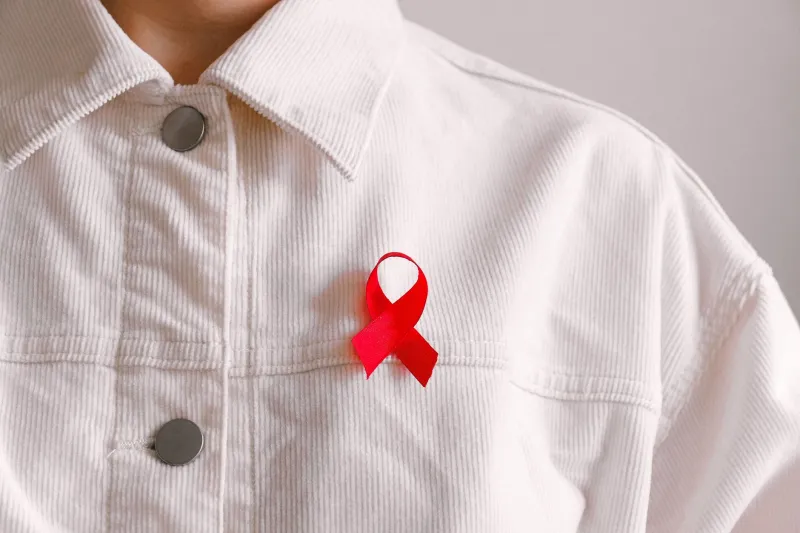
For decades, an HIV diagnosis carried with it a weight that extended far beyond the medical — it touched relationships, intimacy, and the quiet corners of daily life in ways that were often more socially damaging than the virus itself. Today, a growing body of scientific evidence has fundamentally reframed that reality. The principle known as U=U, or Undetectable equals Untransmittable, represents one of the most consequential advances in HIV care, offering people living with the virus a foundation of evidence-based confidence from which to rebuild narratives once defined by fear.
What the Science Actually Says
The U=U principle is not a slogan born of optimism — it is the conclusion of rigorous, peer-reviewed clinical research. Three landmark studies form the scientific backbone of this consensus: HPTN 052, PARTNER, and Opposites Attract. Collectively, these trials followed thousands of serodiscordant couples — partnerships in which one person is living with HIV and the other is not — across multiple continents and over many years.
The results were unambiguous. Across more than 75,000 condomless sexual acts observed in the PARTNER and Opposites Attract studies combined, there were zero cases of HIV transmission from a partner whose viral load was durably suppressed to undetectable levels. In 2019, the Prevention Access Campaign, the organization that launched U=U, received formal scientific validation from the Centers for Disease Control and Prevention (CDC), which confirmed that people with HIV who achieve and maintain an undetectable viral load have effectively no risk of transmitting HIV sexually.
The operative phrase here is "effectively no risk." This is not a reduction in risk — it is the elimination of it, within the parameters of consistent viral suppression.
How Antiretroviral Therapy Makes U=U Possible
Achieving an undetectable viral load is made possible through modern antiretroviral therapy, commonly referred to as ART. Today's treatment regimens are a far cry from the complex, multi-pill protocols of earlier decades. Many people living with HIV now manage their condition with a single daily tablet that combines multiple antiretroviral agents into one convenient dose. Others may be candidates for long-acting injectable formulations administered monthly or every two months.
These medications work by suppressing HIV replication at various stages of the viral life cycle. When taken consistently as prescribed, ART can reduce the amount of HIV in the bloodstream to levels below the threshold of detection on standard laboratory tests — typically fewer than 20 copies of HIV RNA per milliliter of blood. At this level, the virus is present in such negligible quantities that transmission through sexual contact is not possible.
It is important to note that "undetectable" does not mean the virus has been eliminated from the body. HIV remains present in viral reservoirs. However, for the purposes of transmission risk, sustained suppression is what matters — and that is precisely what consistent ART achieves.
Common Misconceptions That Deserve Correction
Despite the strength of the scientific evidence, misconceptions about U=U remain widespread, and they carry real consequences for the people living with HIV who might otherwise benefit from this knowledge.
Misconception 1: U=U only applies to certain types of sex. The landmark studies supporting U=U included both anal and vaginal sex. The conclusion applies across sexual activity types when viral suppression is maintained.
Misconception 2: A single missed dose negates U=U. Viral suppression is not instantly reversed by missing one dose of medication. However, consistent adherence is essential because prolonged gaps in treatment can allow viral rebound. The principle of U=U depends on durable, sustained suppression — not perfection in every single moment, but commitment to the regimen over time.
Misconception 3: U=U means HIV is no longer a concern. U=U addresses sexual transmission specifically. It does not apply to transmission through sharing needles or other routes. Additionally, people living with HIV still benefit from regular medical care, viral load monitoring, and attention to overall health.
Misconception 4: Partners of people with HIV should not bother with PrEP if U=U is in effect. PrEP, or pre-exposure prophylaxis, remains a valid and evidence-supported option for HIV-negative partners who prefer an additional layer of protection. Healthcare decisions should always be made collaboratively with a qualified provider.
Having the Conversation: Partners, Family, and Providers
Knowing the science is one thing. Translating it into real conversations with partners, family members, and healthcare teams is another challenge entirely — one that requires both preparation and compassion.
With intimate partners: Disclosure remains a deeply personal decision, and the legal landscape around HIV disclosure varies by state. However, for those who choose to share their status, U=U provides a scientifically grounded framework for honest dialogue. Phrases like "I am on treatment, my viral load is undetectable, and according to the CDC, I cannot transmit HIV sexually" are accurate, clear, and may help partners feel more informed. Providing access to reputable resources — such as those available through the CDC or the Prevention Access Campaign — can support these conversations.
With family members: Family dynamics around HIV disclosure are complex and vary widely by culture, geography, and personal history. U=U can be a useful entry point for family members who harbor outdated fears about casual contact, household transmission, or shared spaces. Emphasizing that HIV is not transmitted through hugging, sharing meals, or ordinary household interaction — and that treatment further reduces any theoretical concern — can help normalize the conversation.
With your healthcare provider: Your HIV specialist is your most important ally in achieving and maintaining undetectable status. If you have questions about your current viral load, whether your regimen is optimized, or what options exist if suppression has been difficult to achieve, bring them directly to your appointments. A proactive patient is a better-served patient.
Living with Confidence, Not Fear
The U=U principle does more than reduce transmission risk — it reclaims something that HIV stigma has long attempted to take away: the right to intimacy, connection, and a sense of normalcy. Evidence-based confidence is not the same as recklessness. It is the product of understanding, adherence, and an ongoing partnership with your medical team.
For people living with HIV in the United States today, the message is clear: with consistent treatment, an undetectable viral load is an achievable goal for most individuals, and achieving it carries profound implications not just for personal health, but for the health of relationships and communities. The science supports a life lived fully and without unnecessary fear — and that is a foundation worth building upon.
This article is intended for educational purposes only and does not constitute medical advice. Consult your healthcare provider for guidance tailored to your individual health needs.