A Crisis Within a Crisis: Understanding Why Black Gay and Bisexual Men Bear a Disproportionate HIV Burden — and What's Being Done About It
A Crisis Within a Crisis: Understanding Why Black Gay and Bisexual Men Bear a Disproportionate HIV Burden — and What's Being Done About It
Numbers rarely tell a complete story on their own. But in the case of HIV among Black gay and bisexual men in the United States, the statistics are stark enough to demand urgent attention. According to the Centers for Disease Control and Prevention (CDC), Black men who have sex with men (MSM) account for approximately 26% of all new HIV diagnoses nationwide — despite Black Americans comprising roughly 13% of the total U.S. population. Among all MSM, Black gay and bisexual men face the highest lifetime risk of HIV acquisition of any demographic group in the country.
These figures do not reflect a failure of individual behavior. They reflect the accumulated weight of intersecting crises: systemic racism embedded in healthcare infrastructure, economic marginalization, community stigma around both HIV status and sexual identity, and a persistent shortage of culturally responsive care. Understanding this epidemic requires looking beyond clinical data and into the social architecture that shapes who gets sick, who gets diagnosed, and who receives consistent, affirming treatment.
What the Data Reveals — and What It Doesn't
The CDC's most recent surveillance data indicates that Black MSM are not only diagnosed with HIV at higher rates than their white or Latino counterparts, but they also face greater challenges at nearly every stage of the HIV care continuum. This continuum — which tracks the journey from diagnosis through viral suppression — reveals troubling gaps. Black gay and bisexual men are less likely to be linked to care promptly after diagnosis, less likely to be retained in care over time, and, as a result, less likely to achieve and maintain an undetectable viral load.
Yet raw incidence rates can obscure a critical truth: Black MSM do not engage in riskier sexual behavior than white MSM. Research has consistently demonstrated this. What differs is the epidemiological context — the background prevalence of HIV within sexual networks, reduced access to pre-exposure prophylaxis (PrEP), and the downstream effects of healthcare inequality that have compounded over decades.
The Architecture of Disparity: Structural Forces at Work
No single factor explains the disproportionate burden Black gay and bisexual men carry. Rather, it is the convergence of multiple structural realities that creates what public health researchers call "syndemic" conditions — overlapping epidemics that reinforce one another.
Healthcare Distrust Rooted in History
Decades of documented medical mistreatment — from the Tuskegee Syphilis Study to ongoing reports of racial bias in clinical settings — have cultivated a deep and historically justified wariness of the healthcare system among many Black Americans. For Black gay and bisexual men, this distrust is often compounded by experiences of homophobia within medical encounters, leading some to delay or entirely avoid seeking HIV testing and treatment.
Economic Inequality and Insurance Gaps
Financial instability creates profound barriers to care. Black Americans are disproportionately represented among the uninsured and underinsured, and economic precarity often forces difficult trade-offs between healthcare and basic necessities. Even when treatment is theoretically accessible, costs associated with transportation, time off work, and copayments can render consistent care practically out of reach.
Stigma Operating on Multiple Axes
Black gay and bisexual men frequently navigate stigma from more than one direction simultaneously. HIV-related stigma remains pervasive across many communities. At the same time, homophobia within some Black cultural and religious spaces can make it deeply difficult to be openly gay or bisexual — let alone openly HIV-positive. This dual stigma can drive men away from disclosure, peer support, and the very social networks that might otherwise facilitate access to care.
PrEP Inequity
PrEP — the daily oral medication that is highly effective at preventing HIV transmission — has transformed HIV prevention since its FDA approval. However, Black MSM remain significantly underrepresented among PrEP users relative to their HIV risk. Barriers include provider reluctance to prescribe, lack of awareness, insurance limitations, and the aforementioned distrust of the healthcare system. A prevention tool that could dramatically reduce new infections is not reaching the population that stands to benefit most.
Community-Led Responses: The Strategies Making a Difference
Amid these challenges, a growing body of evidence points to community-centered approaches as among the most effective interventions. Organizations led by and for Black gay and bisexual men have pioneered models that integrate HIV prevention and care with culturally grounded support.
Barbershop and Community-Based Testing
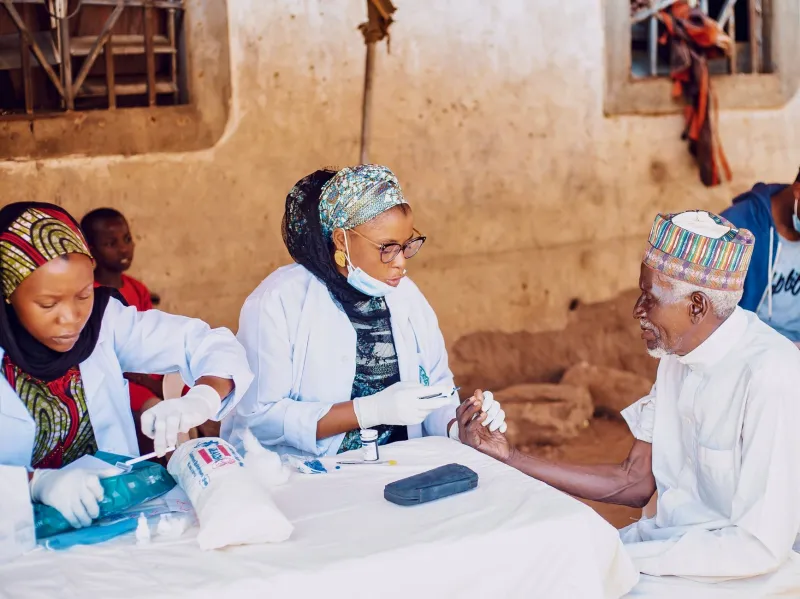
Taking HIV testing out of clinical settings and into trusted community spaces — barbershops, community centers, churches where affirming congregations exist — has shown measurable success in reaching men who would not otherwise seek testing. These settings reduce the anxiety associated with formal medical environments and allow for peer-to-peer conversations that normalize testing and treatment.
Culturally Competent Care Providers
Research consistently finds that Black gay and bisexual men have better health outcomes when they receive care from providers who are affirming of both their racial identity and their sexual orientation. Training programs designed to reduce implicit bias among healthcare professionals, and intentional recruitment of Black LGBTQ+ clinicians, are expanding the availability of such care in some cities — though significant geographic gaps remain.
Navigation and Peer Support Programs
Patient navigators — often community members with lived experience of HIV — help individuals move through the care continuum by addressing logistical barriers, providing emotional support, and maintaining connection between appointments. Programs like these have demonstrated improved rates of linkage to care and viral suppression in multiple U.S. cities.
Telehealth as an Equalizer
The expansion of telehealth services during the COVID-19 pandemic opened new pathways for HIV care delivery that have since proven particularly valuable for communities with transportation challenges or in areas with limited specialist availability. For some Black gay and bisexual men, virtual appointments with affirming providers have reduced the friction of consistent care engagement.
Policy Changes That Could Accelerate Progress
Community innovation alone cannot resolve structurally driven disparities. Policy action at state and federal levels is equally essential. Medicaid expansion in states that have not yet adopted it would extend insurance coverage to large numbers of uninsured Black Americans. Federal investment in the Ending the HIV Epidemic in the U.S. (EHE) initiative, which specifically targets high-burden jurisdictions, has already directed resources toward communities with the greatest need — though advocates argue that funding levels must be sustained and expanded.
Ending HIV criminalization laws — statutes that disproportionately affect people of color and discourage disclosure and testing — is another policy priority with direct implications for this population. As of 2024, more than 30 states retain some form of HIV criminalization on the books.
A Path Forward Built on Equity
The disproportionate HIV burden carried by Black gay and bisexual men in America is not inevitable. It is the product of identifiable, addressable failures in how this country has structured its healthcare system, allocated resources, and responded — or failed to respond — to communities at the intersection of racial and sexual minority status.
Addressing this crisis requires a commitment to equity that is both principled and practical: expanding culturally responsive care, reducing structural barriers to PrEP and treatment access, investing in community-led organizations, and dismantling the stigma that continues to drive men away from the care they need and deserve.
For those living with HIV, or for loved ones seeking to understand the landscape, the Roche HIV Resource Center remains committed to providing accurate, evidence-based information and to amplifying the voices of communities working toward a more equitable HIV response. Knowledge, access, and affirmation are not privileges — they are the foundation of effective care for every person living with or at risk of HIV in the United States.