What's Next in HIV Treatment: 7 Research Breakthroughs Reshaping the Decade Ahead
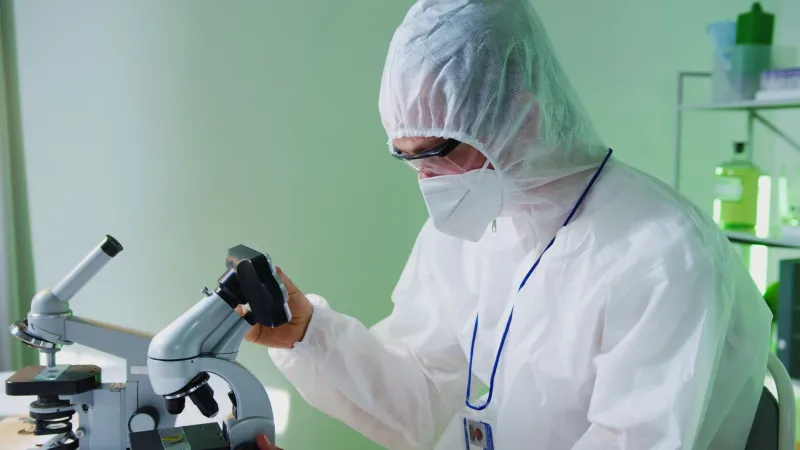
A New Era of HIV Research Is Underway
For decades, the story of HIV treatment has been one of remarkable scientific progress — from the devastating early years of the epidemic to today's single-tablet regimens that allow millions of people to live long, healthy lives. Yet the field is far from finished. Across university labs, pharmaceutical research centers, and clinical trial sites throughout the United States, scientists are advancing a generation of therapies that could fundamentally change how HIV is managed, prevented, and perhaps one day, functionally eliminated.
Below, we examine seven of the most compelling innovations currently in the pipeline and what they could mean for people living with HIV in the years ahead.
1. Long-Acting Injectable Antiretrovirals
One of the most significant practical shifts already underway is the move from daily oral pills to injectable antiretroviral regimens administered every one to two months — or potentially even less frequently. Cabotegravir plus rilpivirine, already FDA-approved, demonstrated this concept is clinically viable. Researchers are now investigating next-generation formulations that could extend dosing intervals to every six months or longer.
For individuals who struggle with daily adherence — whether due to pill fatigue, privacy concerns, or complex schedules — these long-acting options represent a meaningful quality-of-life improvement. The science centers on drug formulations that create slow-release depots in muscle tissue, maintaining therapeutic drug concentrations over extended periods.
2. Broadly Neutralizing Antibodies (bNAbs)
Broadly neutralizing antibodies are proteins — either naturally produced by some individuals or engineered in laboratories — that can recognize and neutralize a wide variety of HIV strains. Unlike traditional antiretrovirals, which block the virus's replication machinery, bNAbs work by directly targeting the virus before it can infect cells.
Clinical trials are exploring bNAbs both as treatment for people already living with HIV and as a prevention tool. Some studies are investigating combinations of two or more bNAbs to reduce the risk of viral resistance. Early results from trials such as those involving VRC01 and 3BNC117 have shown measurable viral suppression, and second-generation bNAbs with improved potency and breadth are now entering trials. The timeline for broader clinical use likely extends into the late 2020s, but the trajectory is encouraging.
3. HIV Vaccines
A preventive HIV vaccine has been a scientific goal since the earliest days of the epidemic. While previous large-scale trials produced mixed results, the field has been reinvigorated by mRNA vaccine technology — the same platform that underpinned COVID-19 vaccines. The International AIDS Vaccine Initiative (IAVI) and the National Institute of Allergy and Infectious Diseases (NIAID) are among the organizations actively pursuing mRNA-based HIV vaccine candidates.
The challenge remains HIV's extraordinary genetic diversity and its ability to integrate into the human genome. Researchers are focusing on inducing broadly neutralizing antibody responses through novel immunogen designs. Meaningful efficacy data from Phase 2 and Phase 3 trials is likely still several years away, but the scientific momentum is real.
4. Functional Cure Research and Remission Strategies
A functional cure — defined not as the complete elimination of HIV from the body, but rather a sustained remission where the virus remains suppressed without ongoing antiretroviral therapy — is one of the most actively pursued goals in HIV science. Strategies include "shock and kill" approaches, which aim to reactivate latently infected cells so the immune system can destroy them, and "block and lock" strategies, which seek to permanently silence the viral reservoir.
Several individuals known as "elite controllers" — people whose immune systems naturally suppress HIV without medication — are providing critical insights into what biological conditions might enable remission. Clinical trials exploring these mechanisms are ongoing at major research institutions across the country, including those affiliated with the NIH's Martin Delaney Collaboratory.
5. Gene Editing and Gene Therapy Approaches
Technologies such as CRISPR-Cas9 have opened the door to targeting HIV at the genetic level. Researchers are investigating whether gene editing can excise HIV DNA from infected cells or modify immune cells to resist infection altogether. Separately, gene therapy approaches using modified stem cells — inspired in part by the cases of patients such as the "Berlin Patient" and the "London Patient," who appear to have been cured following stem cell transplants — are being studied in more accessible, scalable forms.
While these approaches remain largely in early-phase trials and face significant scientific and safety hurdles, they represent a long-term horizon that the research community takes seriously.
6. Immune-Based Therapies
Beyond targeting the virus directly, a growing body of research focuses on strengthening the immune system's capacity to control HIV. Therapeutic vaccines — designed not to prevent infection but to bolster the immune response in people already living with HIV — are one avenue. Interleukin-based therapies that enhance CD4 and CD8 T-cell function are another. These approaches are often explored in combination with other strategies as part of a multi-pronged effort toward remission.
7. Long-Acting Pre-Exposure Prophylaxis (PrEP)
While not a treatment for those already living with HIV, advances in long-acting PrEP are worth noting for their broader impact on the epidemic. Lenacapavir, administered as a twice-yearly injection, showed 100% efficacy in a landmark 2024 trial among cisgender women — a result that generated significant global attention. Broader access to such formulations in the United States could dramatically reduce new HIV transmissions, reshaping the epidemiological landscape over the coming decade.
Realistic Timelines and What to Expect
It is important to approach this pipeline with informed optimism. Clinical trials are lengthy by design — they exist to rigorously confirm that therapies are both safe and effective before they reach patients. Many of the innovations described above are in Phase 1 or Phase 2 trials, meaning FDA approval, where applicable, could still be five to ten or more years away for some candidates.
That said, the pace of HIV research has accelerated considerably, and regulatory pathways such as FDA Breakthrough Therapy designation can shorten timelines for particularly promising therapies.
How to Stay Informed and Get Involved
For people living with HIV who wish to engage with the research process, clinical trial participation is one of the most direct avenues. ClinicalTrials.gov, maintained by the National Institutes of Health, provides a searchable database of active trials across the country. Your HIV specialist can also help you assess whether any trials align with your health profile and goals.
Advocacy organizations such as the Treatment Action Group (TAG) and amfAR publish accessible summaries of emerging research for non-specialist audiences. Staying connected to these resources, maintaining regular communication with your care team, and asking questions at your appointments are all meaningful ways to remain an active participant in your own health journey.
The next decade in HIV science will not unfold all at once — but for the first time in the history of this epidemic, the possibility of treatments that go beyond viral suppression to something approaching a functional cure feels genuinely within reach.