Bones Under Siege: How HIV Quietly Erodes Skeletal Health — and What You Can Do About It Now
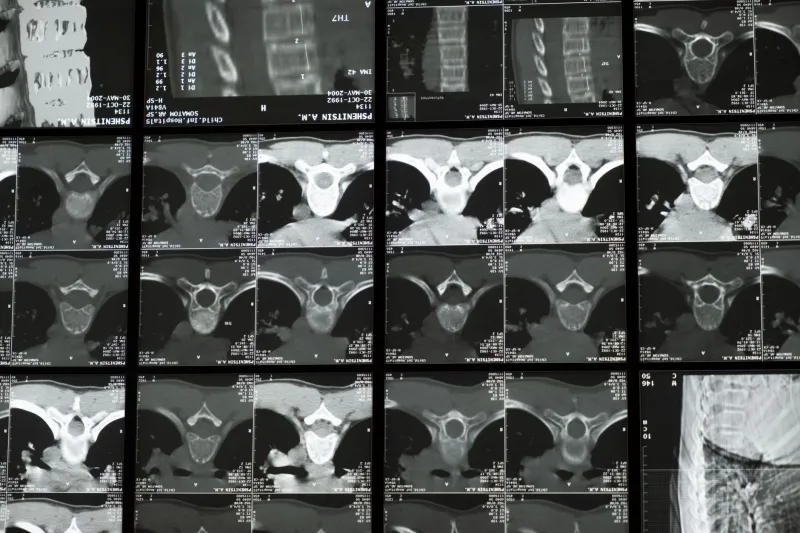
For many people living with HIV, the focus of ongoing care naturally gravitates toward viral suppression, CD4 counts, and cardiovascular risk. Understandably so — these are critical markers of health. Yet a quieter, slower-moving threat is unfolding in the background for a substantial portion of the HIV-positive population in the United States: accelerated bone loss that can lead to osteopenia, osteoporosis, and ultimately, debilitating fractures.
Research consistently shows that people living with HIV are two to three times more likely to develop low bone mineral density than their HIV-negative peers of the same age. This is not a marginal statistical footnote. It is a clinically significant finding with real consequences — consequences that are largely preventable when identified and addressed early.
Why HIV Itself Disrupts Bone Metabolism
Bone is not a static structure. It is living tissue that undergoes continuous remodeling — a carefully balanced cycle in which specialized cells called osteoclasts break down old bone while osteoblasts build new tissue in its place. HIV disrupts this equilibrium at a fundamental level.
The virus triggers chronic immune activation and systemic inflammation, two forces that are known to tip the remodeling process in favor of resorption — meaning bone breaks down faster than it is rebuilt. Elevated levels of inflammatory cytokines, including tumor necrosis factor-alpha and interleukin-6, directly stimulate osteoclast activity while simultaneously suppressing the bone-building function of osteoblasts.
Additionally, HIV infection itself is associated with vitamin D deficiency, a condition that is remarkably prevalent among people living with HIV in the United States. Vitamin D is essential for calcium absorption and normal bone mineralization. Without adequate levels, even a calcium-rich diet cannot fully compensate for the deficit in bone-building resources.
The Role Antiretroviral Therapy Plays — for Better and Worse
The relationship between antiretroviral (ARV) medications and bone health is nuanced and worth understanding in detail.
On the positive side, initiating antiretroviral therapy reduces systemic inflammation over time, which should theoretically benefit bone. And indeed, sustained viral suppression does appear to slow some HIV-related bone deterioration over the long term.
However, a well-documented phenomenon complicates this picture: bone mineral density typically declines by two to six percent in the first one to two years after starting antiretroviral therapy, regardless of the regimen used. This initial drop is thought to reflect a complex interplay between immune reconstitution, changes in bone turnover markers, and the direct effects of specific drug classes.
Tenofovir disoproxil fumarate (TDF), a nucleoside reverse transcriptase inhibitor that was once the backbone of many first-line regimens, has been most consistently associated with accelerated bone mineral density loss compared to other agents. The mechanism involves effects on renal phosphate handling, which in turn affects bone mineralization. Protease inhibitors have also been linked to bone metabolism disruption through effects on vitamin D pathways and osteoblast function.
It is important to note that newer formulations — including tenofovir alafenamide (TAF), which delivers the active drug more efficiently at lower doses — have demonstrated a more favorable bone safety profile in clinical trials. If you are currently on an older TDF-containing regimen and have not recently discussed bone health with your provider, that conversation is overdue.
Who Is at Greatest Risk?
While bone loss is a concern for all people living with HIV, certain individuals carry a compounded burden of risk. Postmenopausal women living with HIV face particularly steep declines in bone density, as estrogen loss accelerates the same osteoclast-driven resorption that HIV already promotes. Older men, especially those with hypogonadism — a condition more common among men with HIV — face a similar vulnerability.
Additional risk factors include:
- Long-term corticosteroid use, which independently suppresses bone formation
- Low body weight or a history of significant weight loss
- Tobacco use and heavy alcohol consumption, both of which impair osteoblast function
- Sedentary lifestyle, as weight-bearing physical activity is one of the most potent stimulants of bone formation
- Prior fragility fractures, which are among the strongest predictors of future fracture risk
- Family history of osteoporosis
Ethnicity also factors into baseline bone density. While white and Asian individuals are statistically more likely to receive an osteoporosis diagnosis, Black Americans living with HIV are not immune — and may be less likely to be screened, which introduces its own set of health equity concerns.
Screening: When to Ask for a DEXA Scan
Dual-energy X-ray absorptiometry, commonly known as a DEXA scan, is the standard tool for measuring bone mineral density. Current guidance from the Infectious Diseases Society of America (IDSA) recommends DEXA screening for all HIV-positive men aged 50 and older, and for all postmenopausal women living with HIV. Earlier screening is appropriate for those with additional risk factors.
Despite these recommendations, bone density screening remains underutilized in HIV care settings across the United States. A significant proportion of patients who qualify for a DEXA scan have never received one. If you fall into a high-risk category and have not been screened, raise it explicitly with your HIV specialist or primary care provider at your next appointment. Do not assume it will be ordered automatically.
Practical Steps to Protect Your Skeletal Health
The good news is that meaningful intervention is possible at virtually every stage — whether you have normal bone density today or have already received a diagnosis of osteopenia.
Optimize your nutrition. Adults generally require 1,000 to 1,200 mg of calcium daily, ideally from dietary sources such as dairy products, fortified plant-based milks, leafy greens, and canned fish with bones. Supplemental calcium can fill gaps, though it is best absorbed in doses no greater than 500 mg at a time.
Address vitamin D deficiency proactively. Ask your provider to check your 25-hydroxyvitamin D level. Many people living with HIV require supplementation well above standard doses to reach and maintain optimal serum levels. A target of 30 ng/mL or higher is generally recommended.
Incorporate weight-bearing exercise. Activities such as walking, jogging, resistance training, and yoga all stimulate bone remodeling in a beneficial direction. Even modest increases in physical activity yield measurable improvements in bone density over time.
Eliminate modifiable risk factors. Smoking cessation and limiting alcohol intake are among the highest-yield interventions for bone health — and carry broad benefits across every dimension of HIV management.
Discuss your ARV regimen. If you are on a TDF-containing regimen and have additional bone risk factors, speak with your provider about whether a switch to a TAF-based or alternative regimen is appropriate for your clinical situation. Regimen decisions are always individualized, but bone health is a legitimate factor in that calculus.
Consider pharmacological treatment when indicated. For patients diagnosed with osteoporosis or those with high fracture risk scores, bisphosphonates such as alendronate or zoledronic acid have demonstrated efficacy in HIV-positive populations and may be appropriate options in consultation with your care team.
Bringing Bone Health Into Your HIV Care Conversation
Skeletal health does not have to be a blind spot in your HIV management. The science is clear, the screening tools are available, and the interventions work. What is often missing is the conversation.
At your next appointment, consider asking directly: What is my current bone density status? Am I due for a DEXA scan? Are any of my current medications affecting my bone health? These questions take seconds to ask and can set in motion a plan that protects you for decades.
Living well with HIV means attending to the full architecture of your health — including the framework that holds everything else together.